
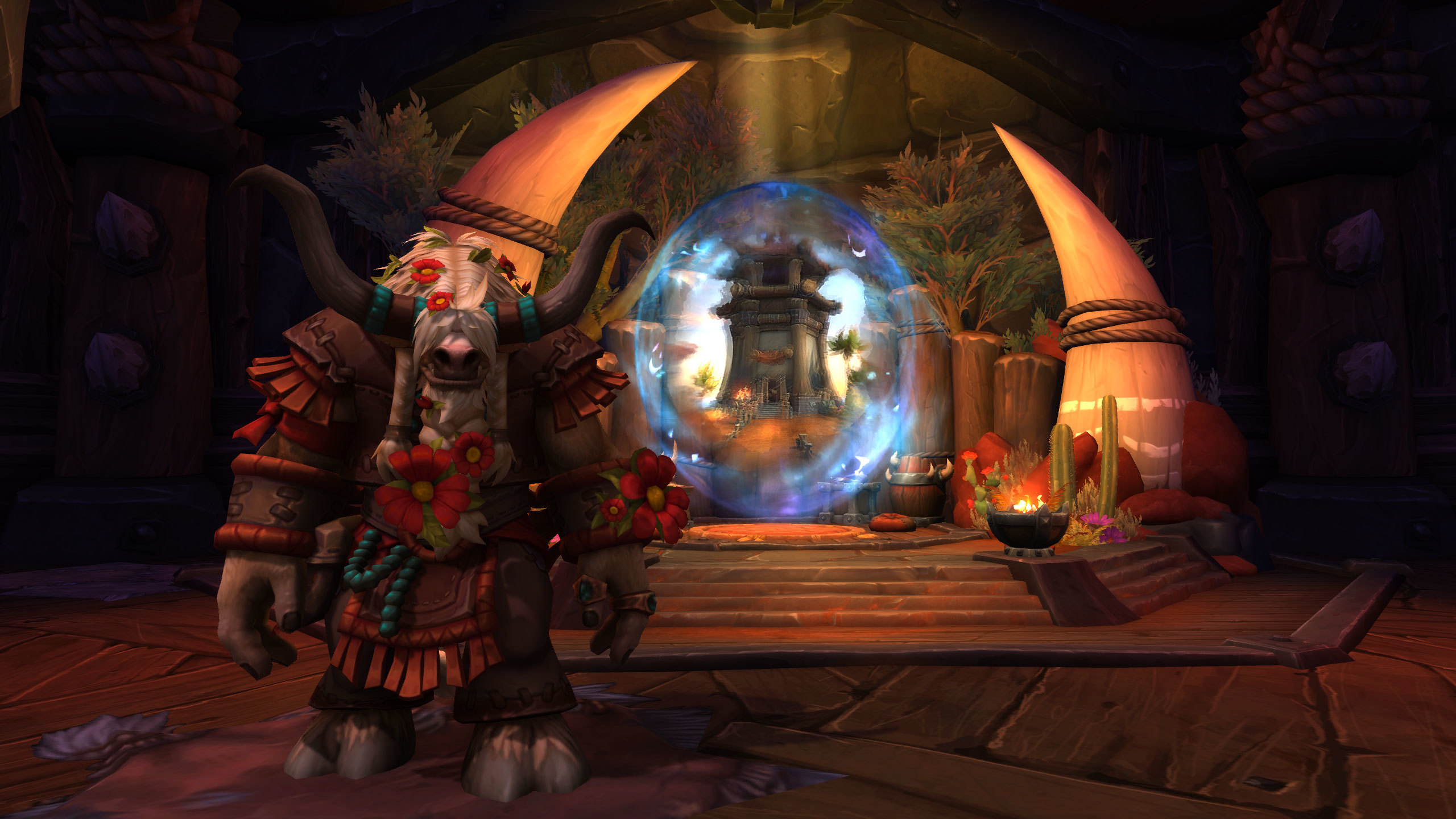

Dungeons have always stood as condensed expressions of narrative. Their architecture, lighting, sound, and layout communicate themes long before a single boss speaks. While questlines offer context, dungeons often capture the emotional truth of a story more clearly — illustrating conflict, decay, ambition, or mystery through visual storytelling. Every wall, corridor, and encounter is a narrative fragment woven into the environment.
This article explores why dungeon aesthetics tell richer, more enduring stories than some questlines, shaping how players understand the world.
The Power of Atmosphere Without Words
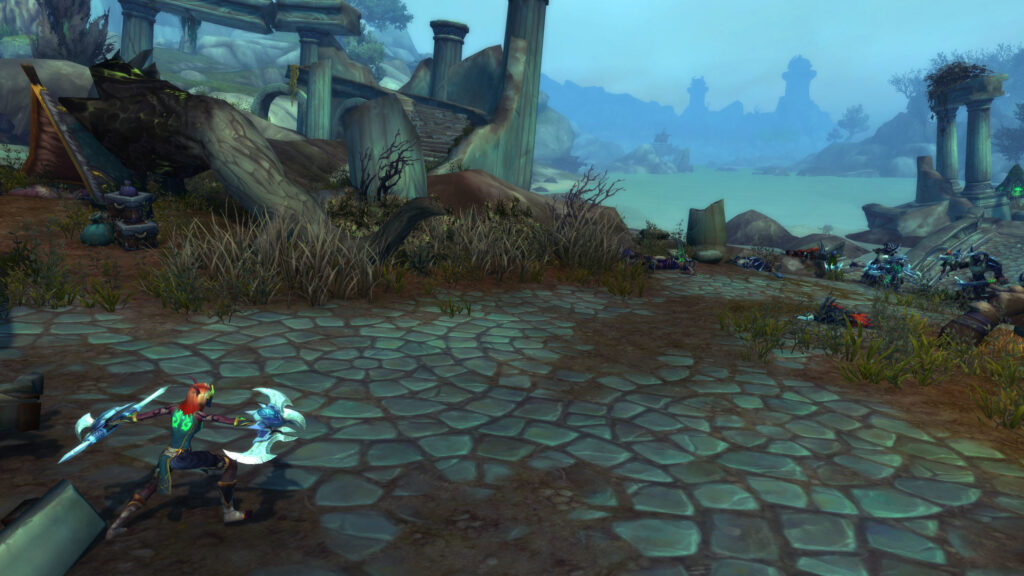
Atmosphere shapes narrative subtly but powerfully. A dungeon’s lighting, color palette, and soundscape articulate emotion without spoken dialogue. The cold stone of a forgotten keep communicates desperation; glowing fungal caverns suggest hidden corruption; spotless halls of a titan facility speak of order and precision. Dungeons tell truths silently, relying on visual expression rather than exposition.
The environment becomes the story’s first voice.
Every Dungeon as a Microcosm of a Larger Conflict
Dungeons condense narrative themes into a concentrated space. Designers choose enemies, traps, architecture, and ambient details that reflect the central conflict of the expansion. Whether players face demonic invasion, elemental upheaval, or political turmoil, the dungeon communicates this through form and function. Each corridor mirrors a theme, each boss embodies an idea.

To illustrate this, here is a short list of how aesthetics reflect narrative intent:
- Ruins and collapse: Civilizations eroded by time or tragedy
- Overgrown nature: Worlds reclaimed or corrupted by wild forces
- Mechanical precision: Titan, arcane, or engineered order
- Blood, bone, or decay: The scars of war or necromantic influence
- Vibrant color and light: Places tied to harmony, culture, or renewal
Storytelling Through Encounter Design
The fights themselves reinforce aesthetics. Boss mechanics often reflect themes present in the environment. A corrupted druid may summon twisted vines; a titan guardian may unleash ordered beams of energy; a demonic warlord may shatter the ground with raw fury. Encounters build narrative meaning by tying visual identity to mechanical expression.
Dungeon mechanics and dungeon aesthetics strengthen one another.
The Emotional Weight of Space
Players remember dungeons not just for their difficulty, but for how they felt to traverse. A claustrophobic corridor builds tension; a sudden open chamber creates awe; a silent bridge over endless void sparks fear or curiosity. These emotional beats linger long after quest text is forgotten. Dungeons become emotional landmarks within each expansion.
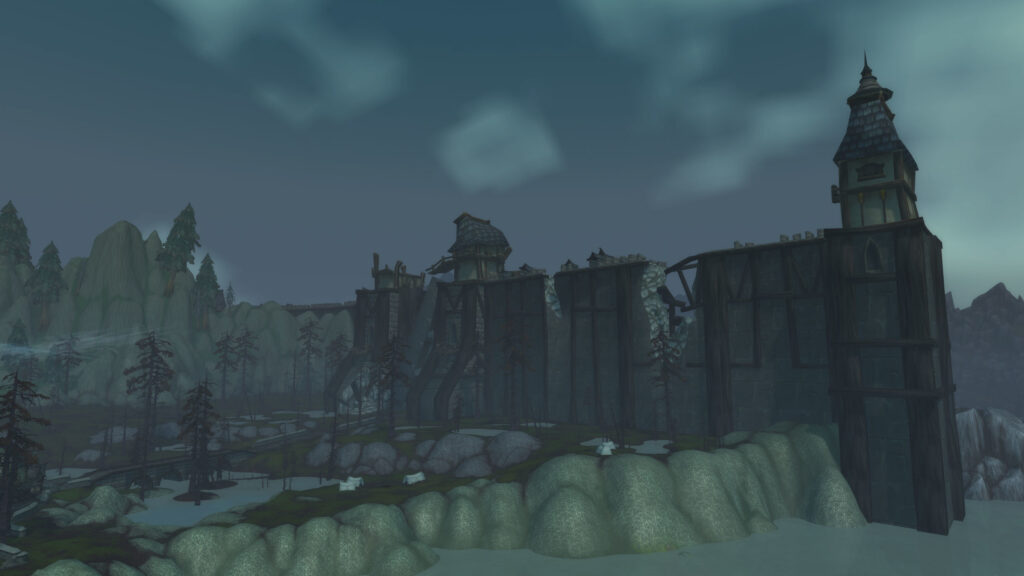
Space shapes memory as much as story does.
Why Dungeon Aesthetics Endure
Dungeon aesthetics endure because they blend art, music, design, and narrative into a unified expression. Unlike quests that players may skim, environments cannot be ignored — they surround, envelop, and guide. Their storytelling is effortless, immersive, and immediate. Players absorb meaning simply by existing in the space, making dungeon aesthetics one of the most effective forms of narrative communication.
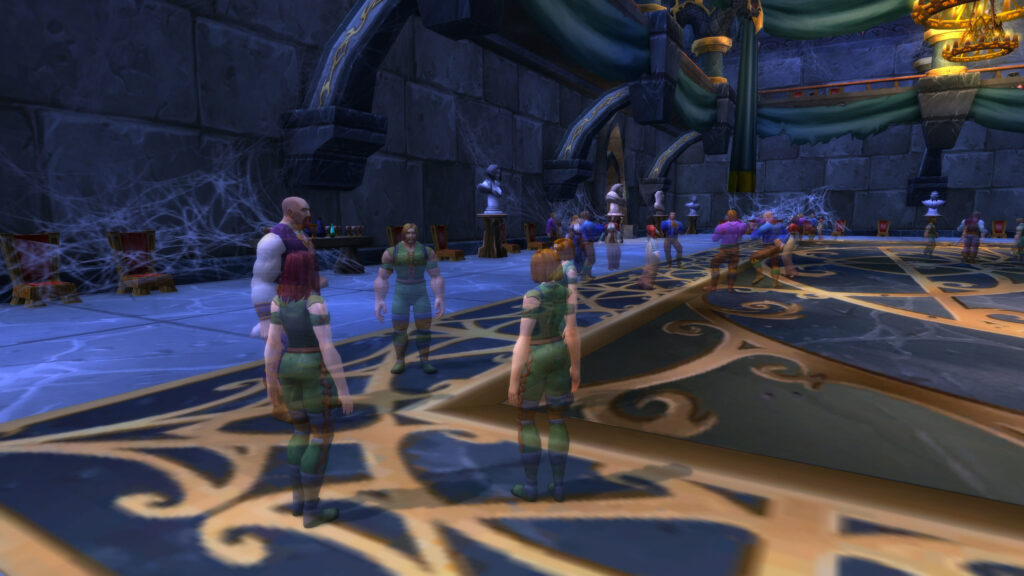
Visual storytelling leaves an imprint that words alone cannot match.
Conclusion
Dungeon aesthetics tell deeper story than many questlines because they convey emotion, theme, and conflict without relying on dialogue. Through architecture, atmosphere, and encounter design, they create lasting impressions that define expansions long after the narrative text fades. These places become symbols of their era — silent storytellers whose walls remember every victory, defeat, and mystery.